

History of the Palace
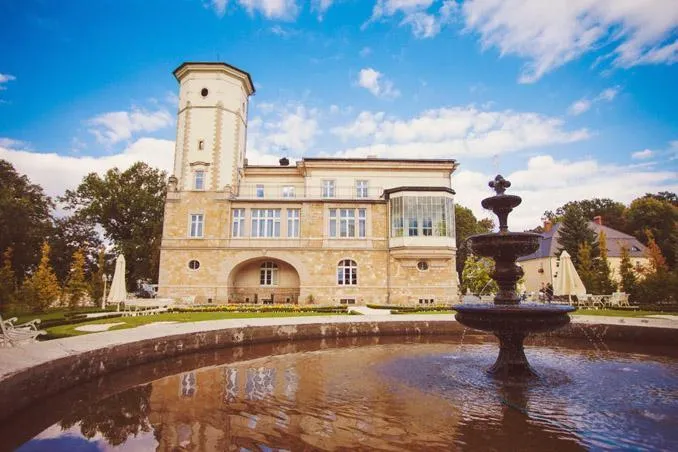
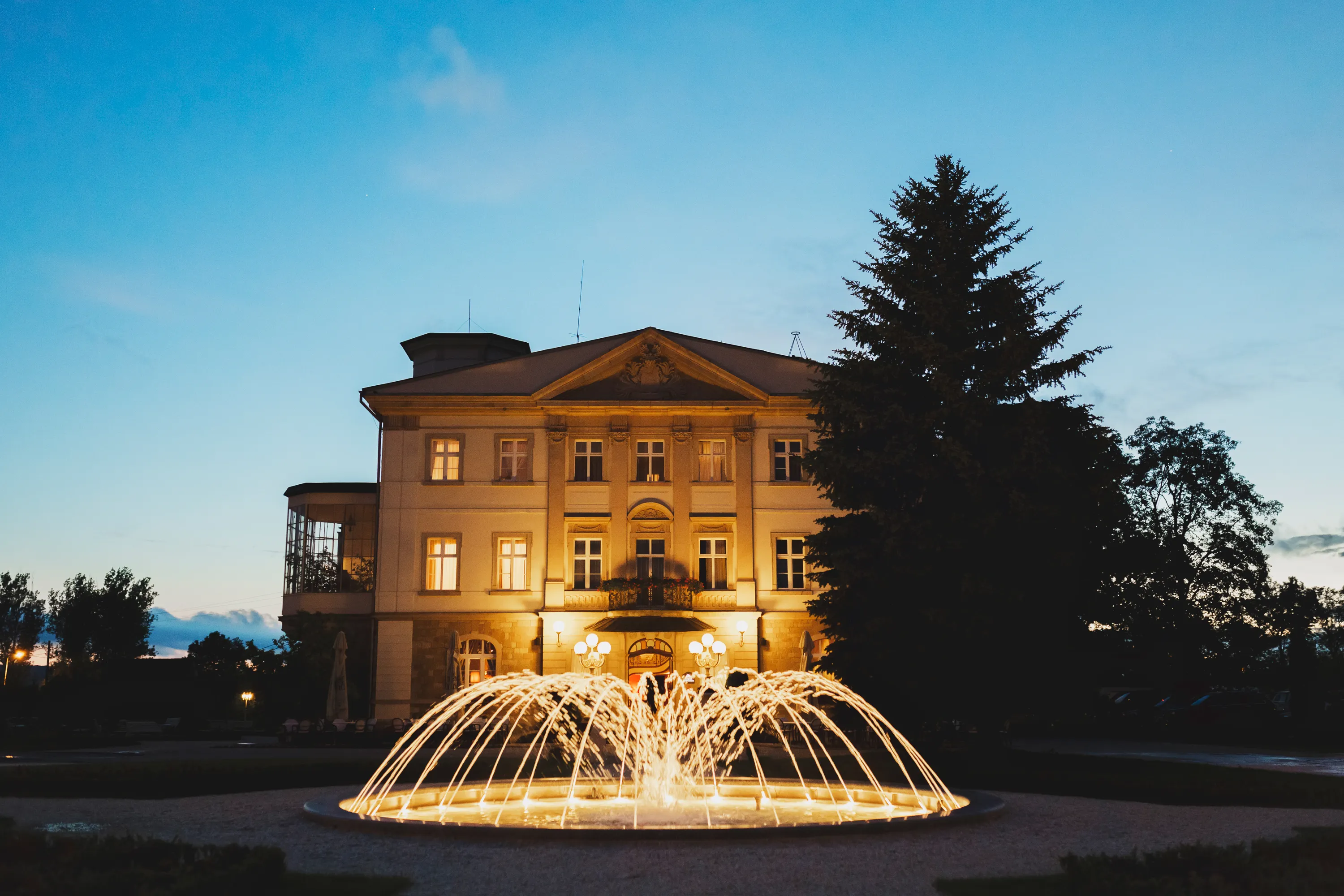
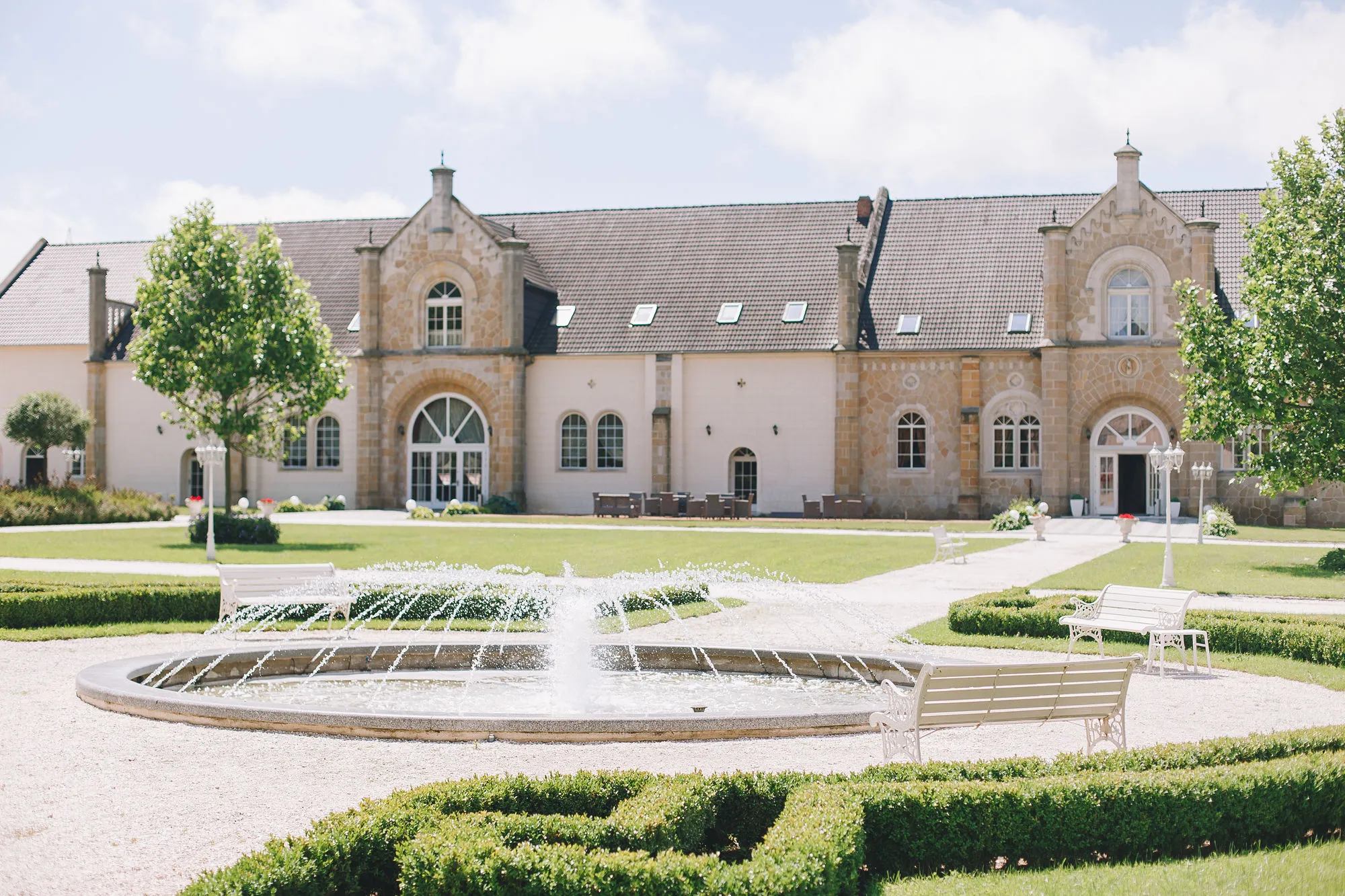
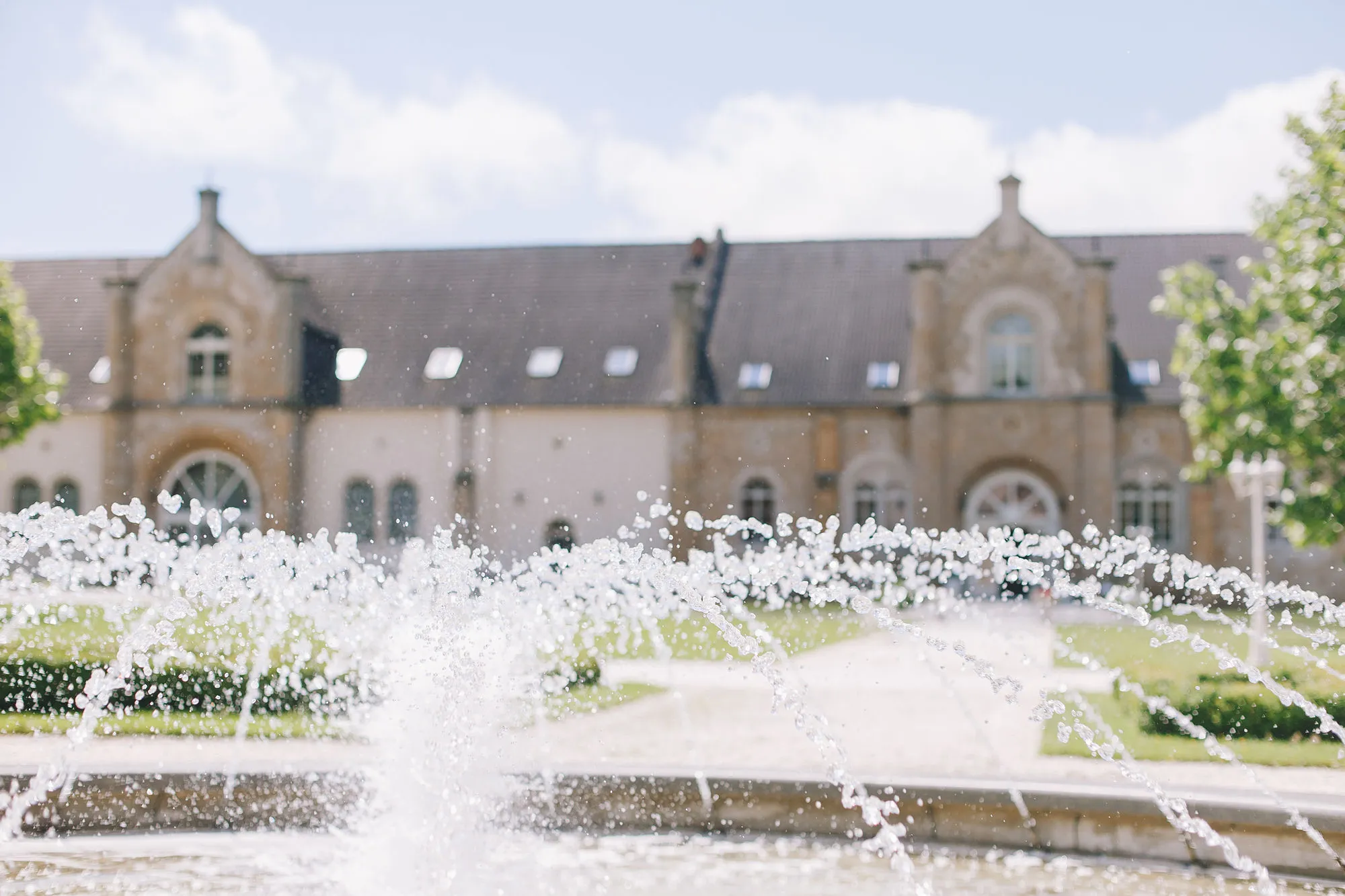
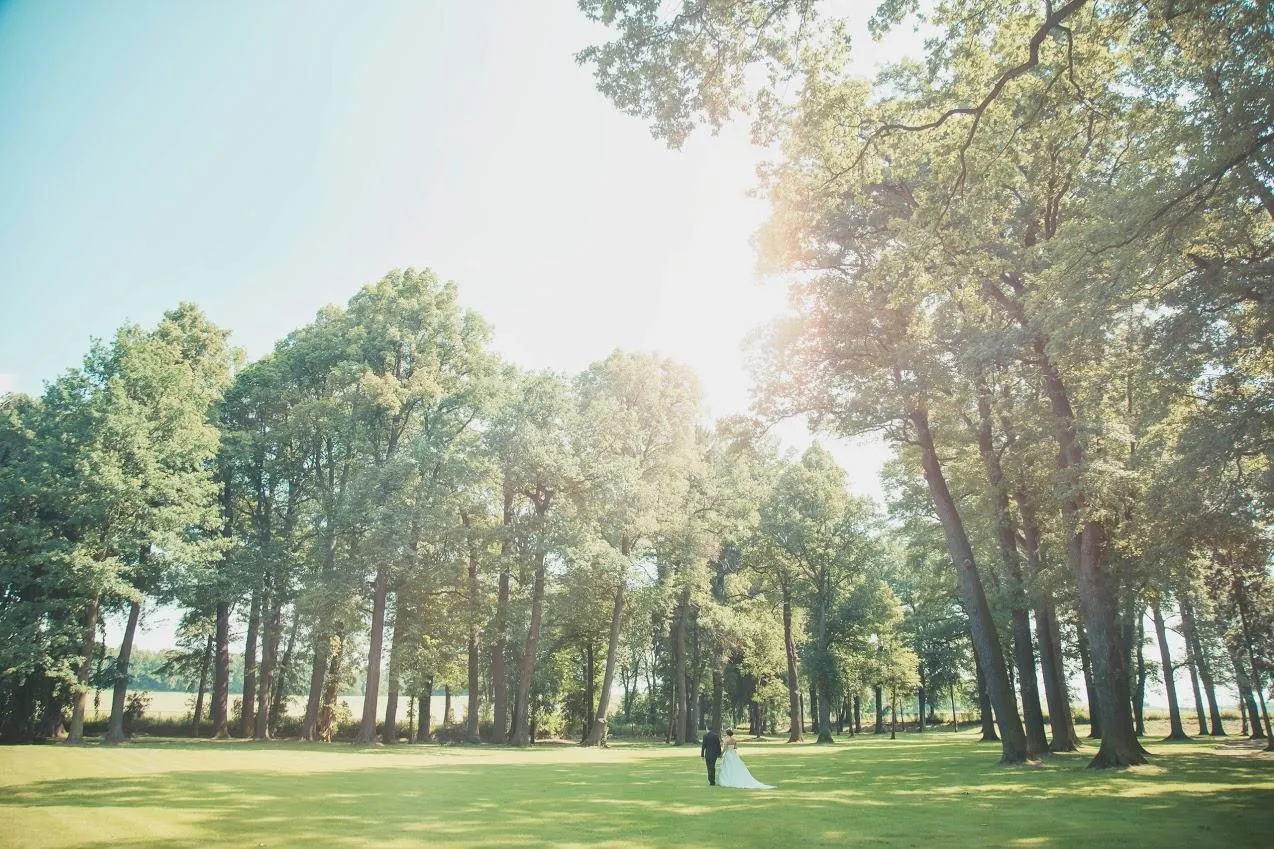
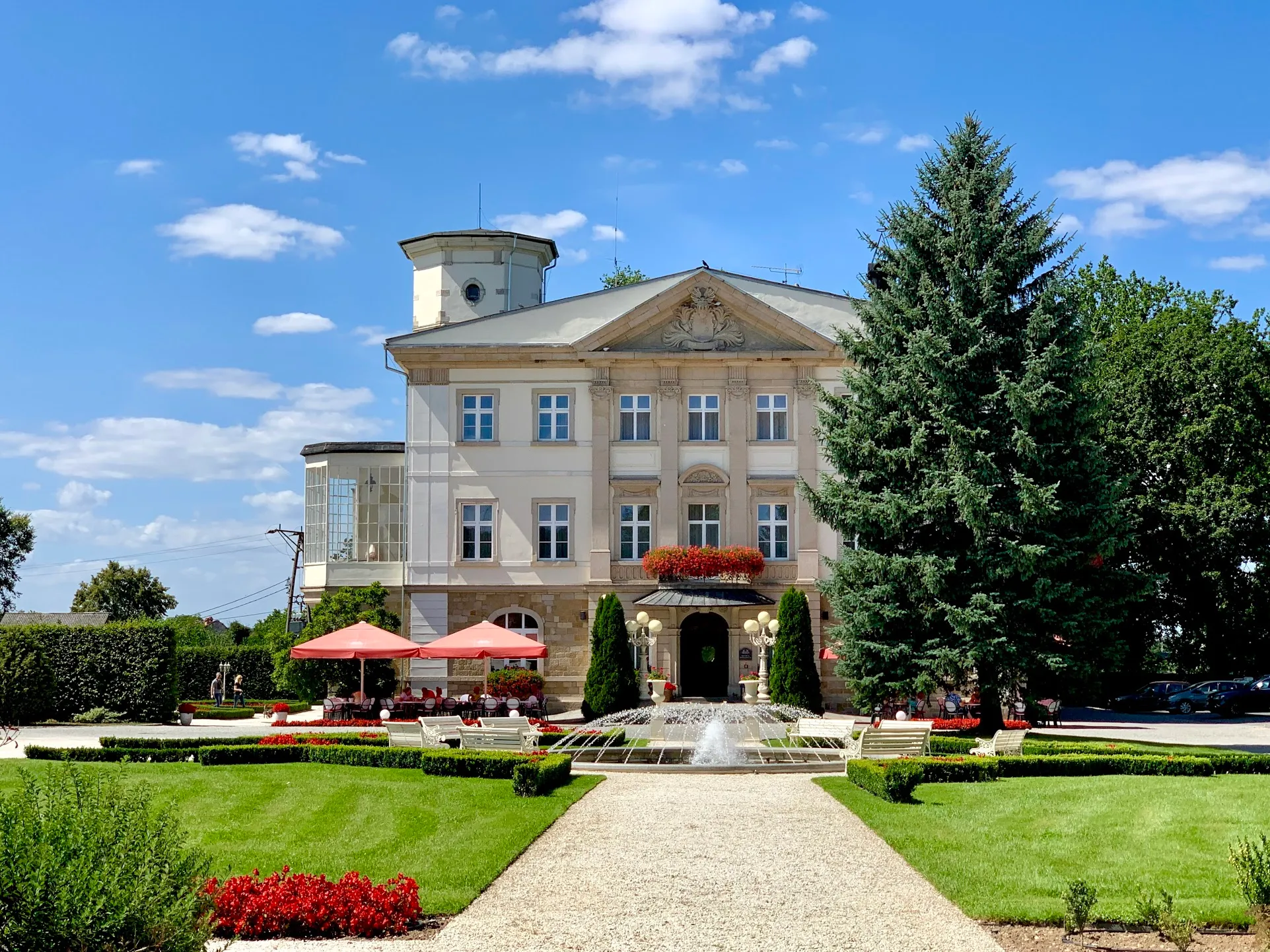
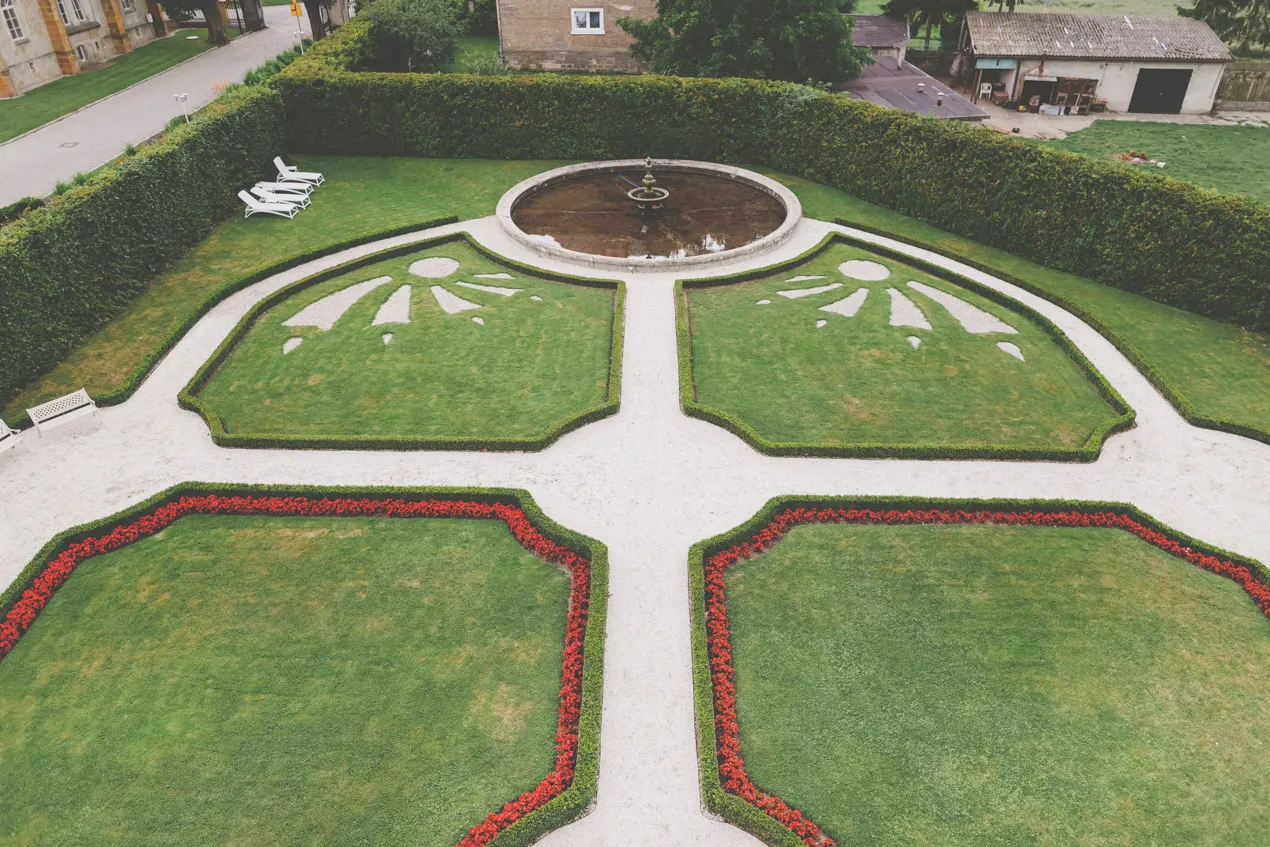
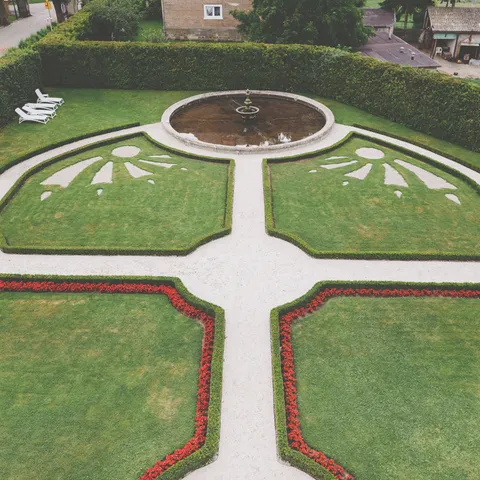
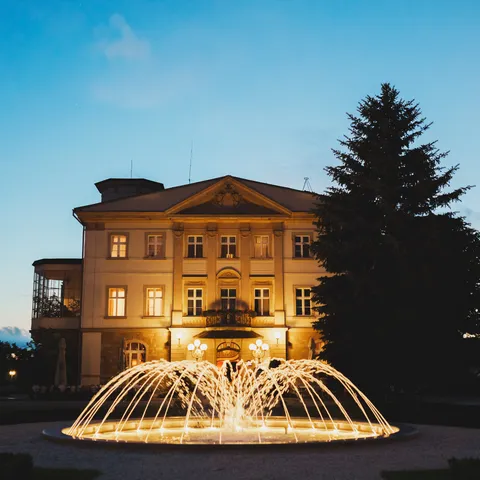
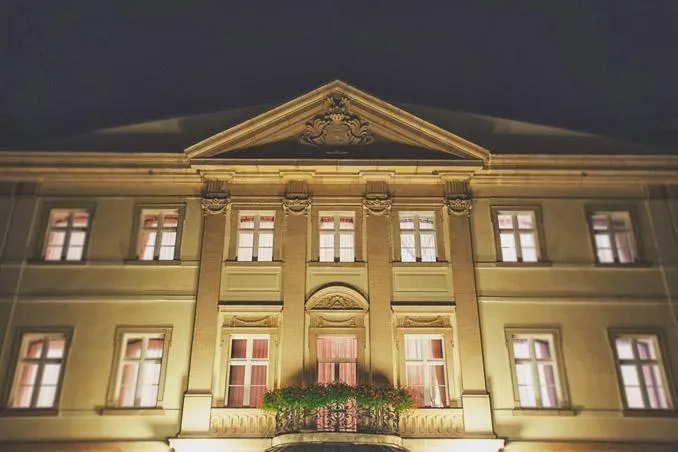
The first recorded mention of a manor house in Brunów dates back to the 15th century. It was most likely a fortified structure similar in shape to the residential towers preserved in the surrounding region. At that time, the manor belonged to the prominent and wealthy Silesian Zedlitz family. Between 1740 and 1750, Count Bernhard von Schmettau became the owner of Brunów. Under his patronage, the old manor was rebuilt, transforming the former structure into a small two-story Baroque palace on a square plan. Thirty-seven years later, Christoph Heinrich and Ernesta von Schweinitz became the owners of Brunów. Three weeks after they acquired the estate, a fire broke out in the palace, destroying all the buildings. Upon the ashes, the Schweinitz family erected a new neo-Baroque, two-story residence. The reconstruction was entrusted to two Silesian architects: Mohrensberg and Scholtz. The subsequent owners of the palace were the von Cottenet family, who energetically expanded the palace complex in the Historicist style typical of the 19th century. Dating from this period are the stable and carriage house, the fountain by the palace, and the landscape park designed by Eduard Petzold.
On the gable wall of the stable right next to the entrance gate, the coat of arms of the Cottenet family was placed. Another reconstruction was carried out in 1900–1901, when the southern wing of the palace was built along with an orangery and an octagonal tower. In the 1930s, a Hitlerjugend sports school was established in the palace. Immediately after World War II, the palace fell into gradual dilapidation. In 2004, the palace became the property of the Rzeźwicki family.
The Carriage House (Powozownia)
The Carriage House
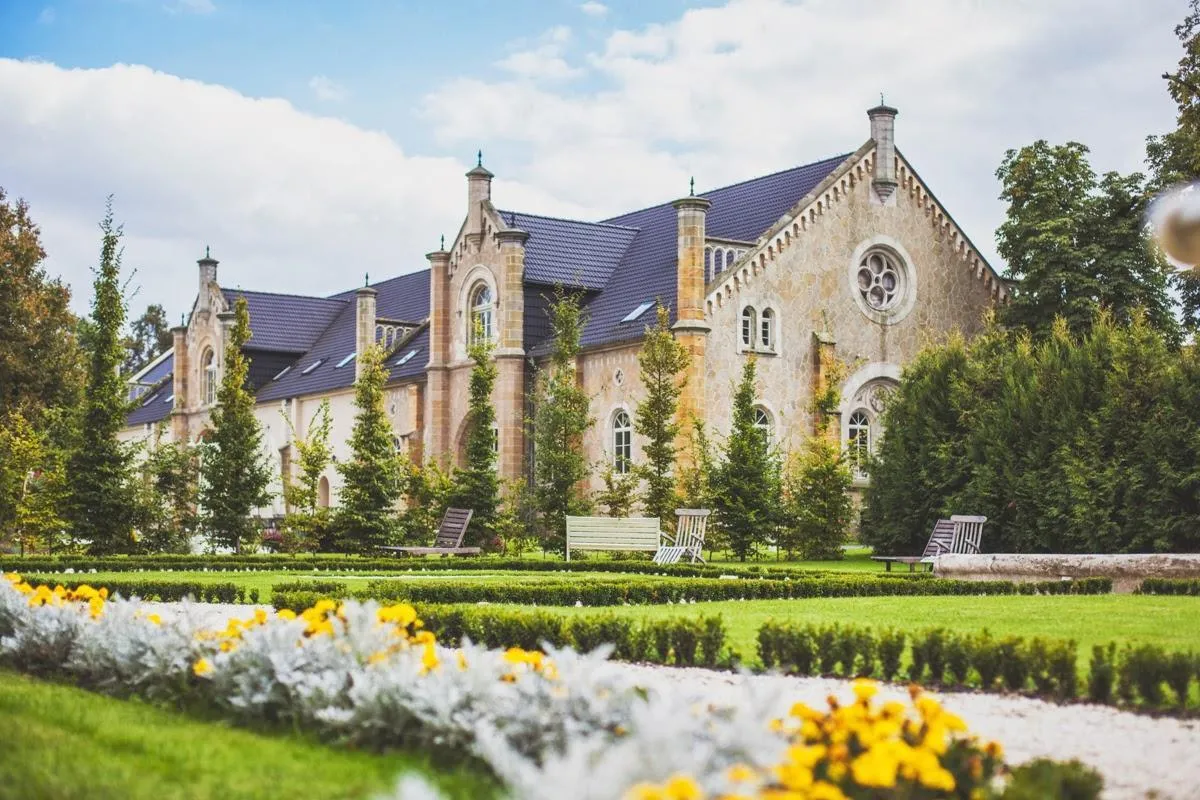
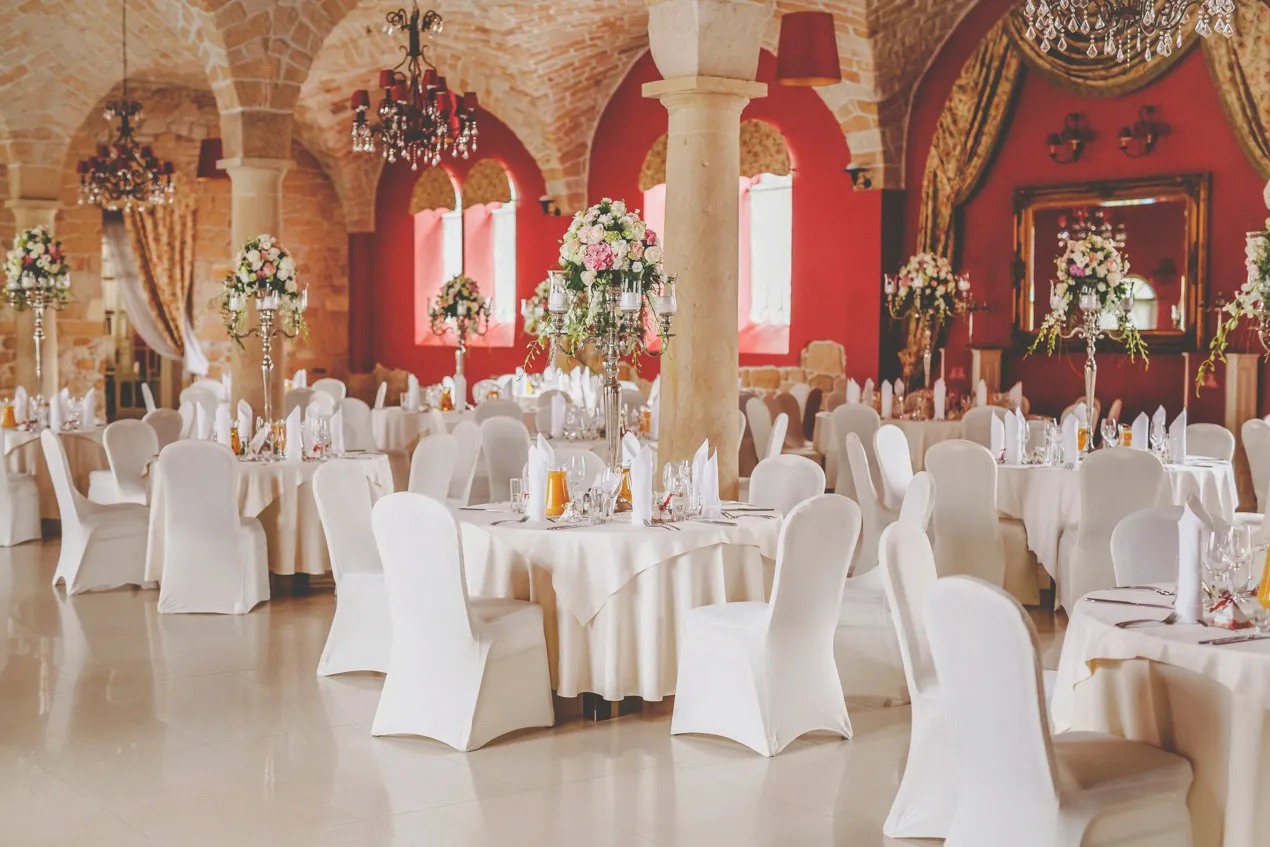
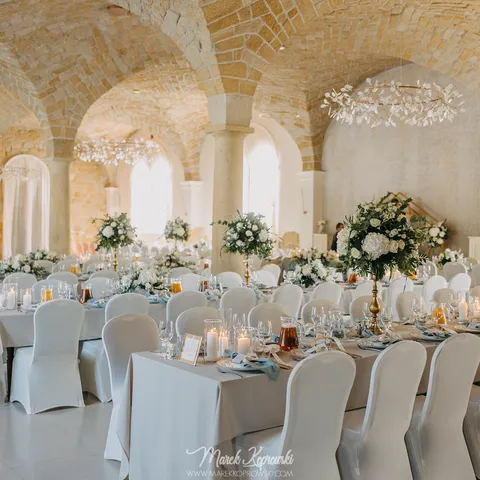
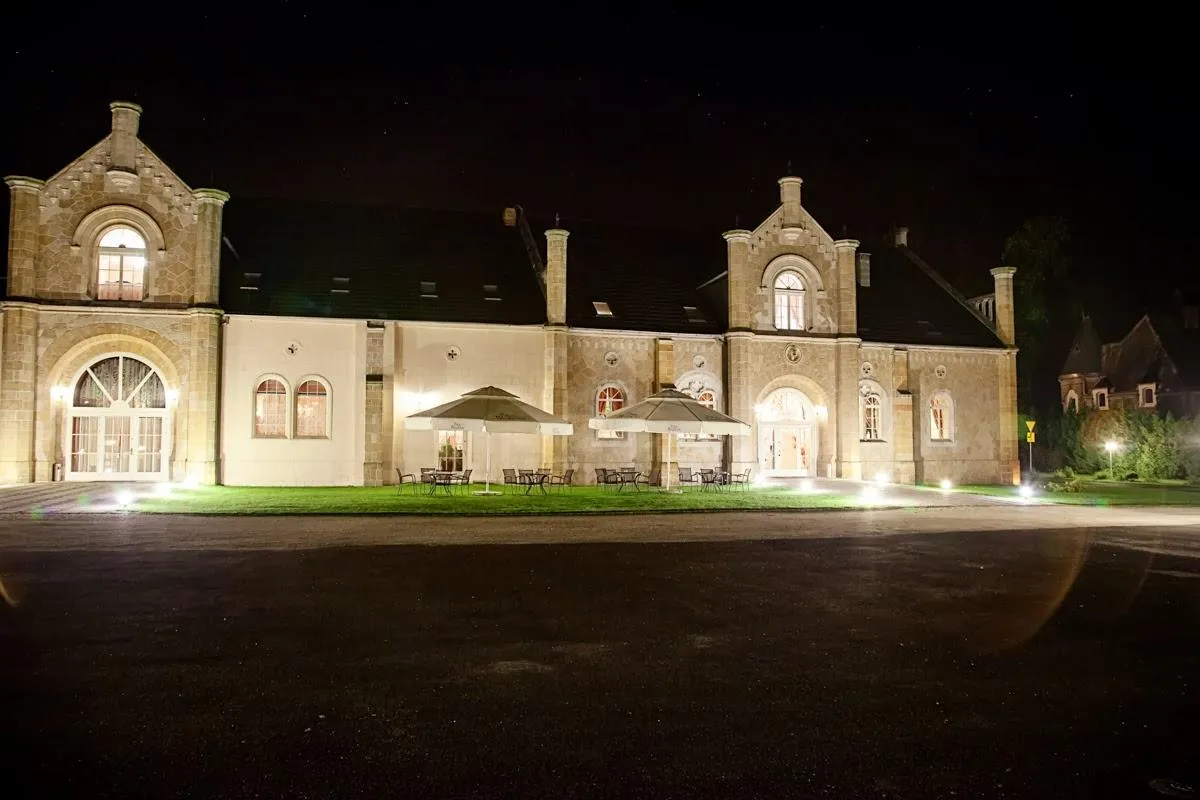
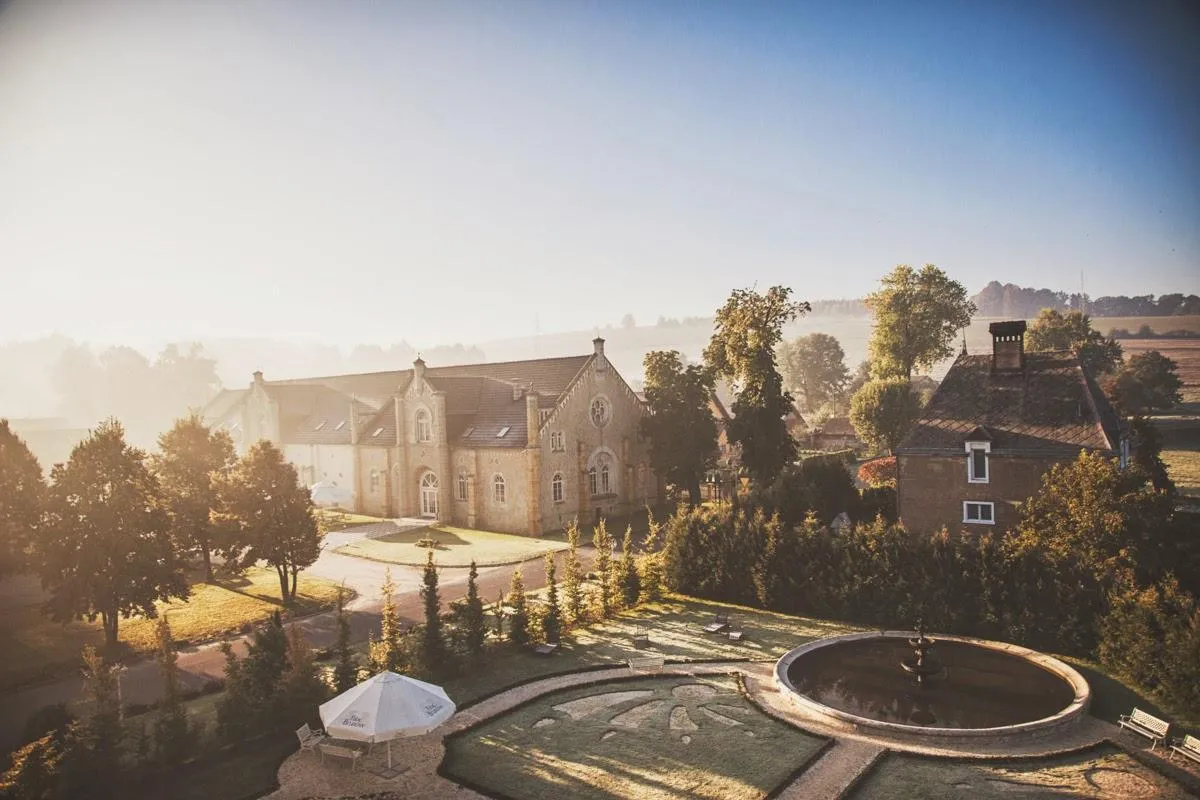
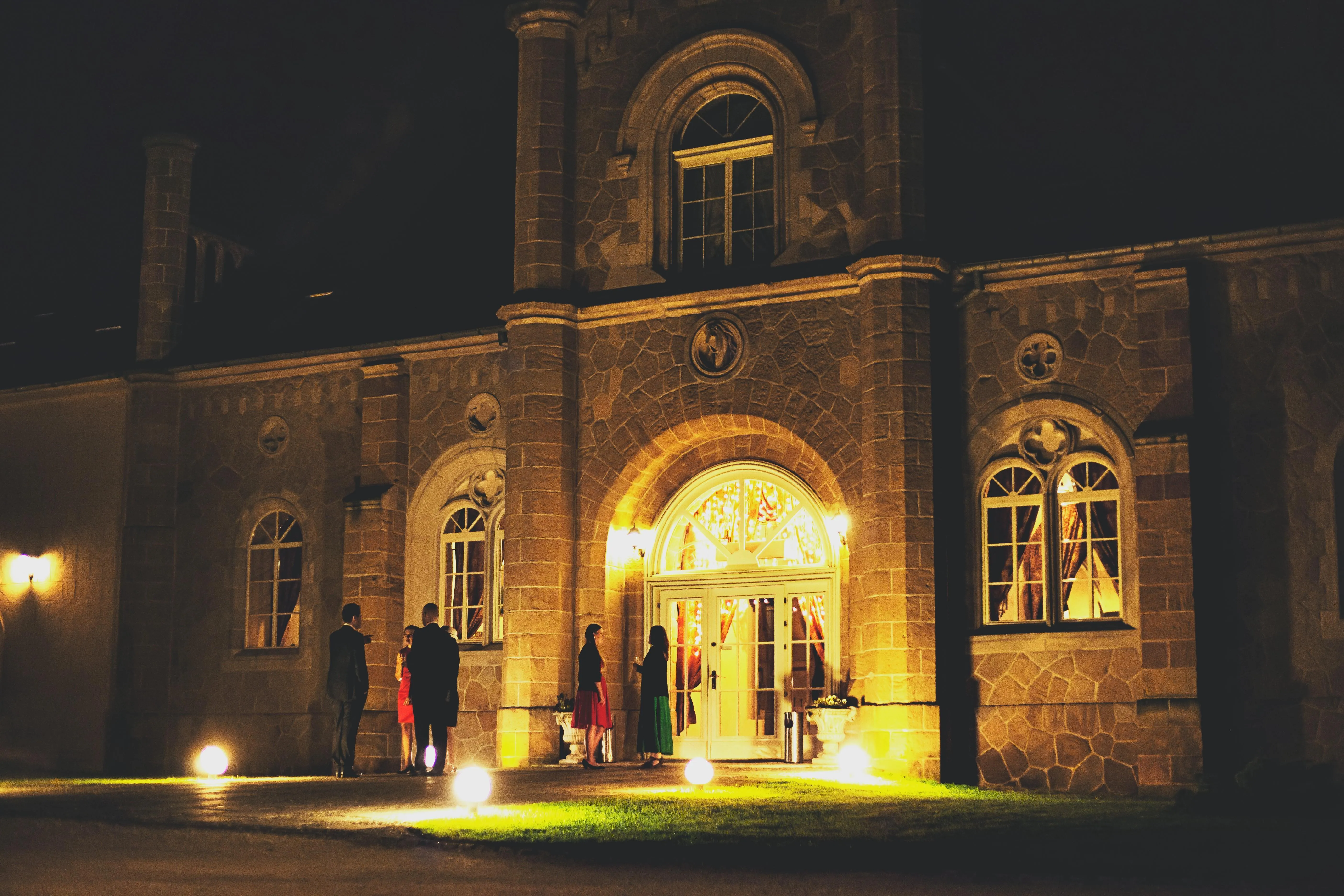
Built in the 19th century, its architecture alludes to medieval sacral buildings. The primary material used for the construction and decoration of the carriage house is the sandstone characteristic of this part of Lower Silesia. Today, the Carriage House houses a ballroom and conference hall as well as guest rooms.
The Outbuilding (Oficyna)
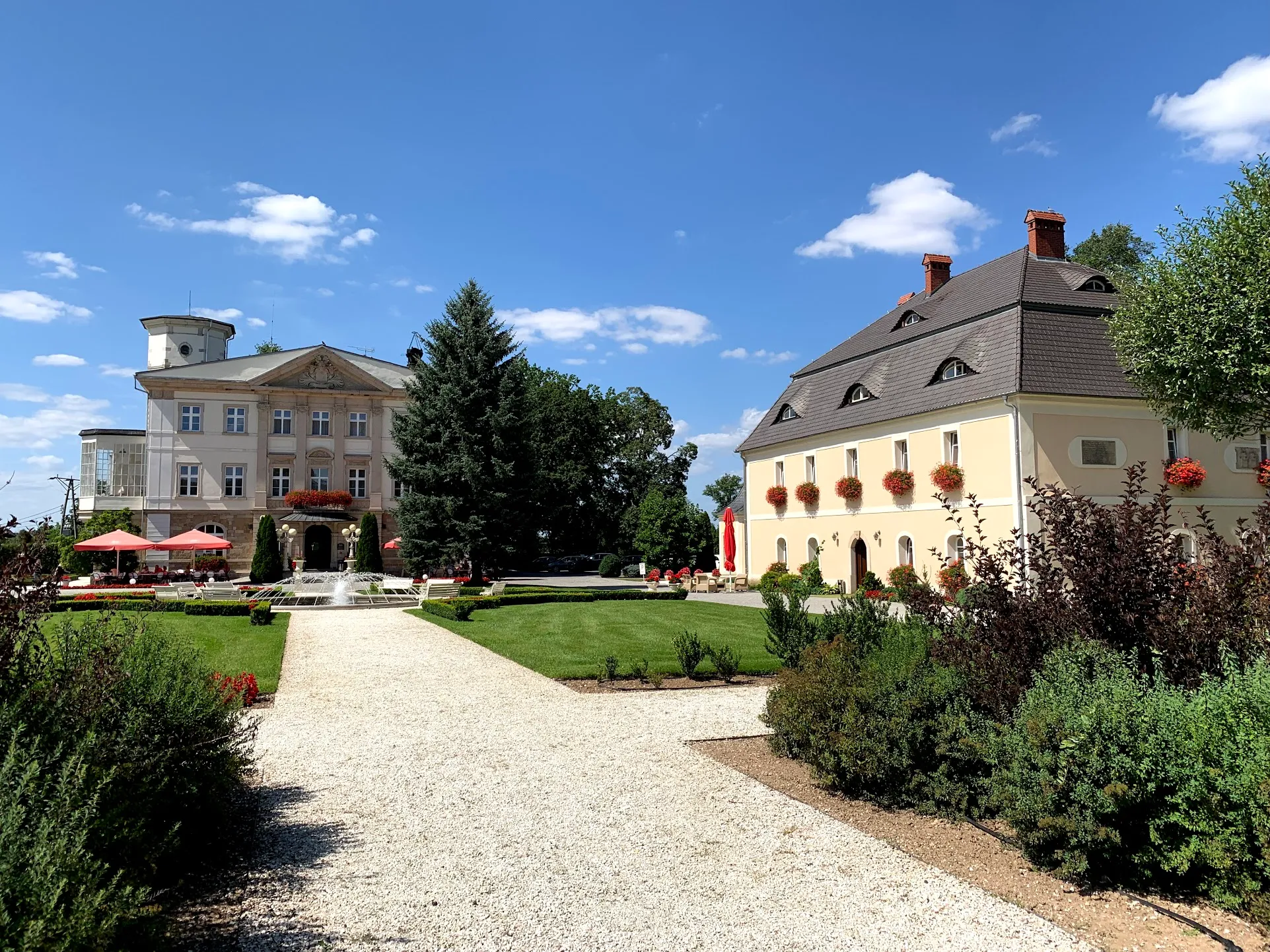
The Outbuilding is the oldest structure in the palace complex.
It possesses the unique atmosphere of a country manor.
It served as a guesthouse — nestled among greenery, surrounded by the park, small and cozy.
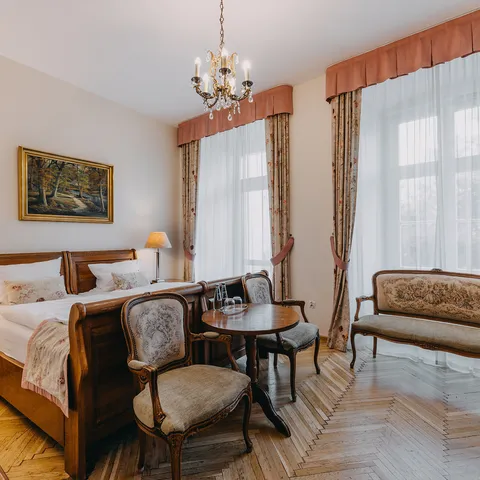
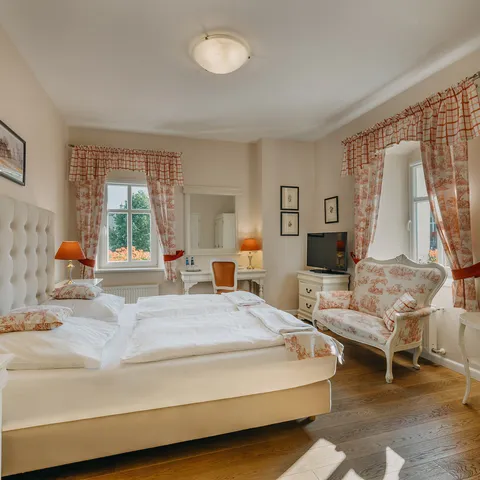
The Outbuilding features two fireplace lounges as well as guest rooms.